February 24, 2026 – Regeneron Pharmaceuticals and Sanofi jointly announced that the U.S. Food and Drug Administration (FDA) has approved Dupixent (dupilumab) for the treatment of allergic fungal sinusitis (AFRS) in adults and children aged 6 years and older with a history of sinus surgery.
Basis for This Approval
The approval for this indication in adults and children aged 6 years and older is based on results from a Phase 3 clinical trial.
AFRS is a type 2 chronic inflammatory sinus disease characterized by severe allergic hypersensitivity to fungi. Patients often require surgical intervention, and the postoperative recurrence rate is extremely high.
With this approval, Dupixent is now indicated in the U.S. for 9 distinct type 2 inflammation-driven diseases, covering nasal/sinus, skin, gastrointestinal and respiratory disorders, with eligible patient populations ranging from infants to older adults.
About Allergic Fungal Sinusitis (AFRS)
AFRS is a type 2 chronic inflammatory disease and a specific subtype of chronic rhinosinusitis, caused definitively by a severe allergic hypersensitivity reaction to fungi.
The disease is most prevalent in warm, humid regions where fungal spores are widespread in the environment.
It can lead to:
Nasal polyps;
Nasal congestion;
Loss of smell;
Profuse thick nasal discharge;
Significant impairment of quality of life;
In severe cases, bone resorption around the sinus cavities and facial deformities.
AFRS is a severe and difficult-to-treat form of chronic rhinosinusitis, with poor responses to existing therapeutic options.
The current standard of care consists of surgery plus long-term systemic corticosteroids, yet disease recurrence remains common.
Safety of Dupilumab
In the LIBERTY‑AFRS‑AIMS study, the safety profile of Dupixent was consistent with its established safety profile in chronic rhinosinusitis with nasal polyps (CRSwNP).
In pooled data from two pivotal adult CRSwNP studies, the most common adverse reactions occurring in ≥1% of patients in the Dupixent group and at a higher rate than placebo included:
injection site reaction, conjunctivitis, arthralgia, gastritis, insomnia, eosinophilia, and toothache.
About the LIBERTY‑AFRS‑AIMS Study
LIBERTY‑AFRS‑AIMS is a randomized, double‑blind, placebo‑controlled Phase 3 clinical trial that evaluated the efficacy and safety of Dupixent in adult and pediatric patients aged 6 years and older with AFRS over a 52‑week treatment period.
Dosage Regimen
Adults and children weighing ≥60 kg: 300 mg every 2 weeks;
Children weighing ≥30 kg to <60 kg: 200 mg every 2 weeks;
Children weighing ≥15 kg to <30 kg: 300 mg every 4 weeks;
More than 80% of patients had comorbid type 2 inflammatory conditions.
Study Endpoints
Primary Endpoint: Change from baseline in sinus opacification as assessed by Lund‑Mackay score (LMK, 0–24) via CT at Week 52.
Secondary Endpoints (Week 24):
Change from baseline in patient-reported nasal congestion (NC, 0–3);
Change from baseline in endoscopic nasal polyp score (NPS, 0–8);
Lund‑Mackay score;
Change from baseline in patient-reported loss of smell (LoS, 0–3);
Selected secondary endpoints were also assessed at Week 52, along with the proportion of patients requiring surgery or systemic corticosteroids during treatment.
Tertiary Endpoint: Proportion of patients with sinus bone erosion as assessed by CT at Week 52.
About Dupixent (dupilumab)
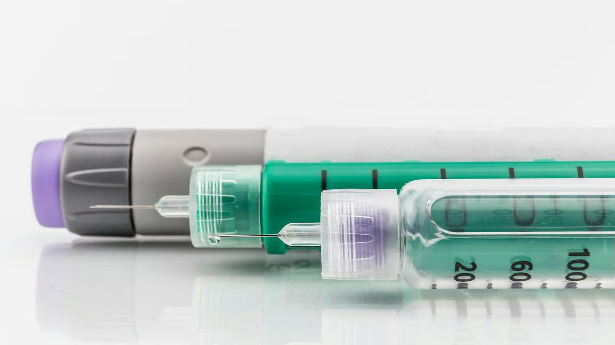
Dupixent is a subcutaneous injection, with dosage determined by age and body weight:
Adult AFRS: 300 mg every 2 weeks;
Pediatric AFRS:
≥60 kg: 300 mg every 2 weeks;
30 kg to <60 kg: 200 mg every 2 weeks;
15 kg to <30 kg: 300 mg every 4 weeks;
Dupixent should be used under the guidance of a healthcare professional. After proper training, injections may be administered in a clinic or at home.
Adolescents aged 12–17 years: Use is recommended under adult supervision.
Children under 12 years: At-home use must be administered by a caregiver.
 WeChat
 WhatsApp